

Affective Lighting Design
- Home
- /
- Affective Lighting Design
- (916-532-9699)
Summary:
- Lighting design that evokes a positive emotional response.
- Human-Centric Design that prioritizes one's experience within illuminated spaces.
- The goal of my lighting design is to positively affect Well-Being.
Overview:
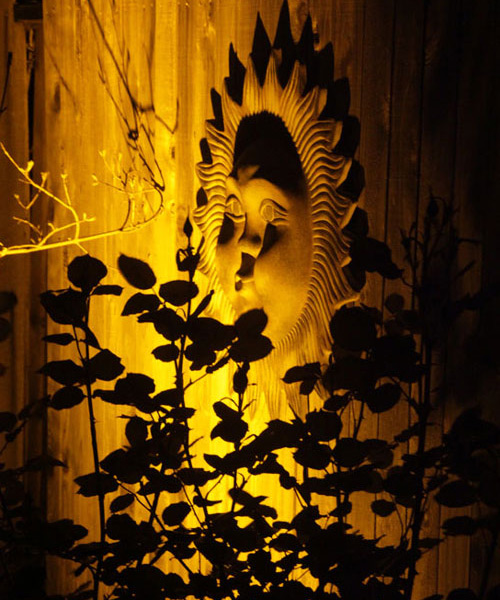
Affective Lighting Design is the ability to evoke a positive emotional response within a space. ‘Affect’ is the “Experience of Feeling.” This concept, as it applies to lighting design, addresses the psychology of light and its effect on human well-being. This is a new concept in landscape lighting design, and I developed it for our discipline.
Affective Lighting Design is and will be the highest form of mastery for the landscape lighting profession. I intend to fully develop this practice so that others can be certified in it, whether or not the rest of the profession gets on board with this beneficial approach to design. It is my goal to pass this design process along to the future generation of landscape lighting designers.
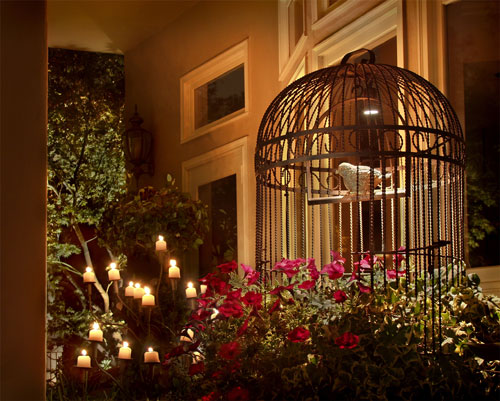
The main reason that Affective Lighting Design is important to the lighting industry is because it has a purpose greater than what exists. This purpose is a means for betterment that everyone can benefit from. This message is "the Betterment of Human Health.” This concept is easy to understand, and it is straight to the point; there’s no confusion. These betterment benefits include the following:
- Decreased (Lowered Levels)— anxiety, depression, stress, heart & blood pressure, medication use, and more.
- Increased (Higher Levels)— healing, cognitive abilities, memory, empathy, creativity, relaxation, communication, activities, and more.
Affective Lighting Design is the advanced-level of practice for landscape lighting designers. The science of light allows the human mind to perceive it as a stimulus which causes arousal. Arousal is a physiological response, closely related to emotion. When the lighting designer can provoke a positive emotional response by providing the right amount of light, shadow, and effect, it can provide a positive reaction or feeling. The designer can enhance the setting by manipulating light and using textures, light levels, and color to impact mood. When successful, these spaces are remembered and desired.
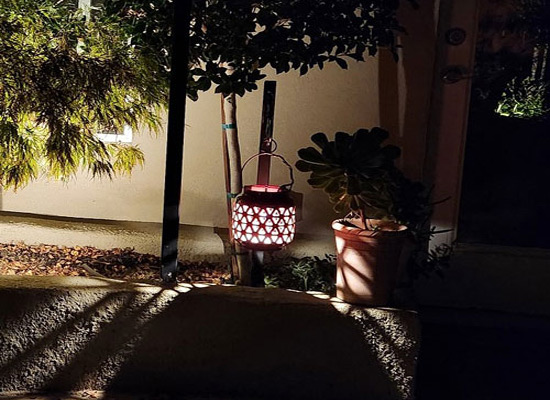

Psychological States:
There are three (3) primary psychological states that people desire when utilizing outdoor spaces. Each state relates to the “purpose” of the space. Therefore, lighting designers should ask the following:
- Is the space intended for activities, entertainment, or people gathering?
- Is the space intended for calm, healing, or relaxation?
- Is the space intended for thought, prayer, or contemplation?
Each of these activities or ‘use-type’ requires a certain quality of light. The lighting composition of the space must apply various lighting levels to achieve a desired atmosphere. This is all achieved by positively stimulating one’s emotional state.

1. Joy & People Engagement— These types of spaces are the most used in many landscaped settings. They include areas for entertainment that include people gathering, socializing, and activities. One will find activity areas like outdoor kitchens, sports courts, fire pits & fireplaces, gaming, and dining areas.

2. Relaxation & Rejuvenation— These types of spaces are the next most used areas, but likely the most beneficial for people. They include spas, sitting pools, privacy gardens, and isolated, calming spaces. These areas are meant for one's well-being and mental health. Therefore, these are the most important to ensure they provide the right amount of illumination to heal with.
3. Thought & Interest— These types of spaces provide visitors with the opportunity to think, ponder, and to question or consider things. They include isolated areas as well as beautiful and dramatic scenery. Vistas and views of distant settings are especially magical from this perspective.
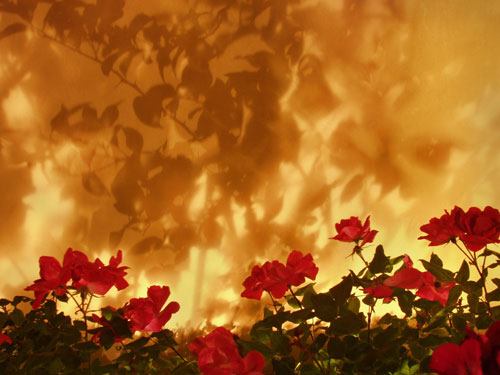
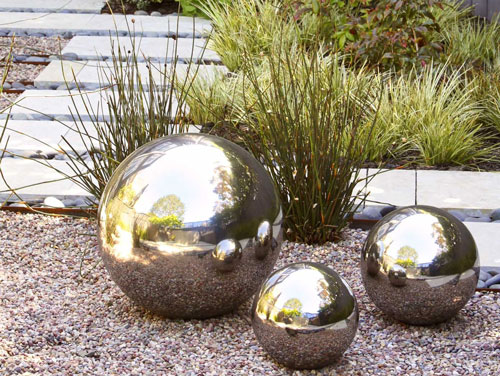
The Affective Lighting Designer will know how to provide the proper illumination levels, color temperature, and contrast of light and shadow to enhance these experiences. We all must remember that this discipline is an art form. Our work is and should be a ‘good’ form of Visual Art. One can only gain this level of achievement by hiring a lighting designer with many years of experience and true skill proficiencies.